Healthy Curls Start at the Scalp: A Scientific Look at Curl Care

Curls naturally have bounce and layers, but they also tend to get dry, tangled, and can even affect scalp health. Many people focus on styling their curls, yet overlook the fact that a healthy scalp is the foundation of healthy curls. Today, let’s explore how to care for your curls and scalp from a scientific perspective.
1. Scalp Health is Key to Healthy Curls
Keep your scalp clean: Excess oil or buildup can clog hair follicles, affecting hair growth and curl elasticity. It’s recommended to wash 2-3 times per week with a gentle shampoo to avoid irritation.
Promote blood circulation: Massaging your scalp for 5-10 minutes stimulates blood flow to the follicles, delivering nutrients to the roots and making curls shinier and bouncier.
Avoid over-stimulation: Frequent pulling, brushing, or high-heat styling can damage follicles, making hair fragile and curls less natural.
2. Common Curl Issues and Scalp Signals
Dryness and frizz: Curls make it hard for moisture to distribute evenly, and a dehydrated scalp makes strands even drier.
Tangles and breakage: Curly hair tangles easily, and imbalanced scalp oils or lack of nutrients increase breakage.
Itchy scalp or dandruff: An unhealthy scalp environment can cause itchiness or flaking, indirectly affecting curl texture.
Pro Tip: Observing your scalp can help detect curl problems early. A healthy scalp is soft, clean, and slightly oily.
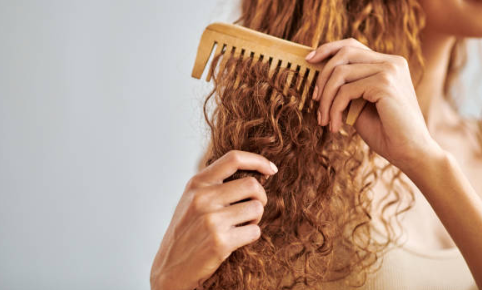
3. Scientific Curl Care Tips
Use gentle conditioners: Curls absorb moisture quickly, so focus conditioner on the mid-lengths and ends to reduce frizz.
Deep hydration treatments: Once or twice a week, use a deep mask or hair serum to replenish moisture and proteins, boosting curl elasticity.
Avoid high heat: Hair dryers, curling irons, and straighteners can damage curls, so try heatless styling methods to protect both hair and scalp.
If you still want styled curls without harming your hair,wrapping strip heatless hair curler have become very popular in recent years.
4. How to wrap hair in heatless curler?
Heatless curlers are trendy because they don’t damage hair or scalp. Here’s how to use them:
Start with clean, slightly damp hair: Damp hair sets better and reduces pulling.
Section and wrap: Divide hair into sections, wrap each small section around the curler.
Leave for 2–4 hours: Overnight is even better for natural, elastic curls.
Remove gently: Take the curlers out along the hair direction to avoid tangles; curls will look soft and voluminous.
Apply a light hold spray: This helps curls last longer without stressing your scalp.
Tip: Heatless curlers protect your scalp while creating naturally styled curls—a perfect combination of care and styling.
For those curious, investing in wrapping strip heatless hair curler is a great idea. Their no-heat design prevents breakage and dryness while making natural, soft curls effortlessly—ideal for daily styling or special occasions.
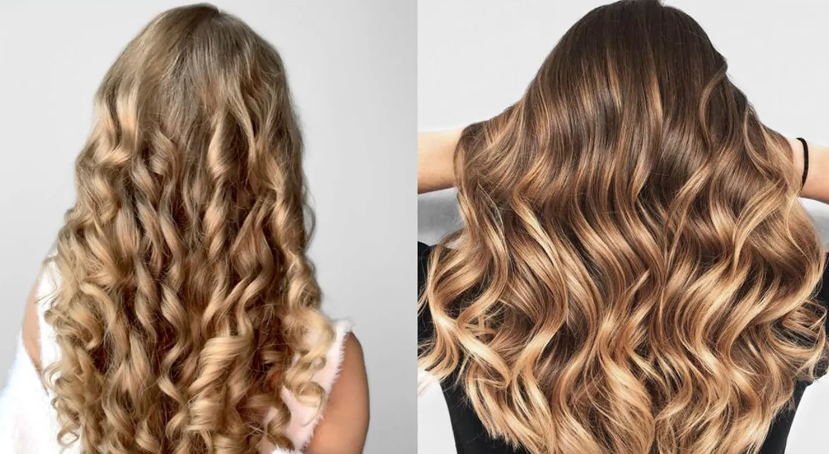
5. Scalp Nutrition and Lifestyle
Balanced diet: Protein, B vitamins, and zinc support healthy hair.
Get enough sleep: Poor sleep affects scalp blood flow and reduces curl elasticity.
Regular exercise: Boosts overall circulation, indirectly benefiting scalp health.
Minimize chemical treatments: Frequent dyeing or perming damages cuticles, making curls dry and the scalp sensitive.
6. Daily Curl Care Summary
Scalp health determines curl quality; massage and cleanliness are essential.
Use gentle conditioners and deep hydration treatments to keep curls soft and moisturized.
Prefer heatless curlers for styling to reduce scalp and hair damage.
Healthy diet, consistent sleep, and moderate exercise are long-term keys to curl health.
Spending just 10 minutes a day caring for your scalp and curls can keep hair naturally smooth, scalp comfortable, and minimize damage. With the right care, your curls won’t just look beautiful—they’ll be healthy, making you feel confident every day.